

7 Mindfulness Exercises for Stress and Anxiety
Feeling stressed or anxious can make it difficult to slow down and focus on the present. You may feel busy with worries about what you need to do or what could happen next.
Mindfulness is the practice of intentionally bringing your attention to the present moment without judgment. Mindfulness exercises can help you acknowledge your thoughts and feelings without getting caught up in them, which is helpful when you feel overwhelmed or overstimulated.
You don’t need a lot of time or commitment to practice mindfulness. There are simple techniques that everyone can practice whenever you need a moment to slow down.
In this article, we’ll explore:
How Does Mindfulness Help with Stress and Anxiety?
When you’re stressed or anxious, your attention can become focused on worries about the future, overwhelming emotions, or things that feel out of your control. Research suggests that practicing mindfulness can help reduce symptoms of stress and anxiety. Rather than trying to stop anxious thoughts altogether, mindfulness helps you notice your thoughts and feelings without reacting to them or judging yourself for having them.
Mindfulness exercises can also help you become more aware of how stress shows up in your body. By noticing your breathing, physical sensations, and surroundings, you can create space between yourself and overwhelming thoughts. This can help you feel more grounded in the moment.
Over time, practicing mindfulness can become a useful tool for managing everyday stress and supporting your overall well-being.
7 Mindfulness Exercises for Stress and Anxiety
You don’t need to set aside a lot of time to practice mindfulness. Many exercises can be incorporated into your day whenever you notice feeling overwhelmed.
1. Mindful Breathing
Mindful breathing involves bringing awareness to your breath and consciously noticing each inhale and exhale. If your mind begins to wander, gently bring your attention back to breathing. Box breathing is a common practice: inhale for four seconds, hold for four seconds, exhale for four seconds, hold for four seconds, and repeat.
2. Body Scan
A body scan helps you become aware of your physical sensations, which can be helpful when anxiety causes physical symptoms such as muscle tension. Start at your feet and slowly move upward, noticing how each part of your body feels in space.
3. 5-4-3-2-1 Grounding
The 5-4-3-2-1 technique uses your senses to ground yourself in your surroundings. Identify five things you can see, four you can feel, three you can hear, two you can smell, and one you can taste.
4. Mindful Walking
Mindfulness doesn’t mean sitting still. During a mindful walk, pay attention to the feeling of your feet touching the ground, your surroundings, and the experience of moving your body.
Walk & Talk Therapy can be a great way to incorporate gentle movement into your mental health care.
5. Mindful Observation
Choose something in your surroundings and spend a few minutes observing it. Notice details that you’d normally overlook. This can help redirect your attention away from rumination and repetitive thoughts and toward the present moment.
6. Sitting Mindfulness Exercise
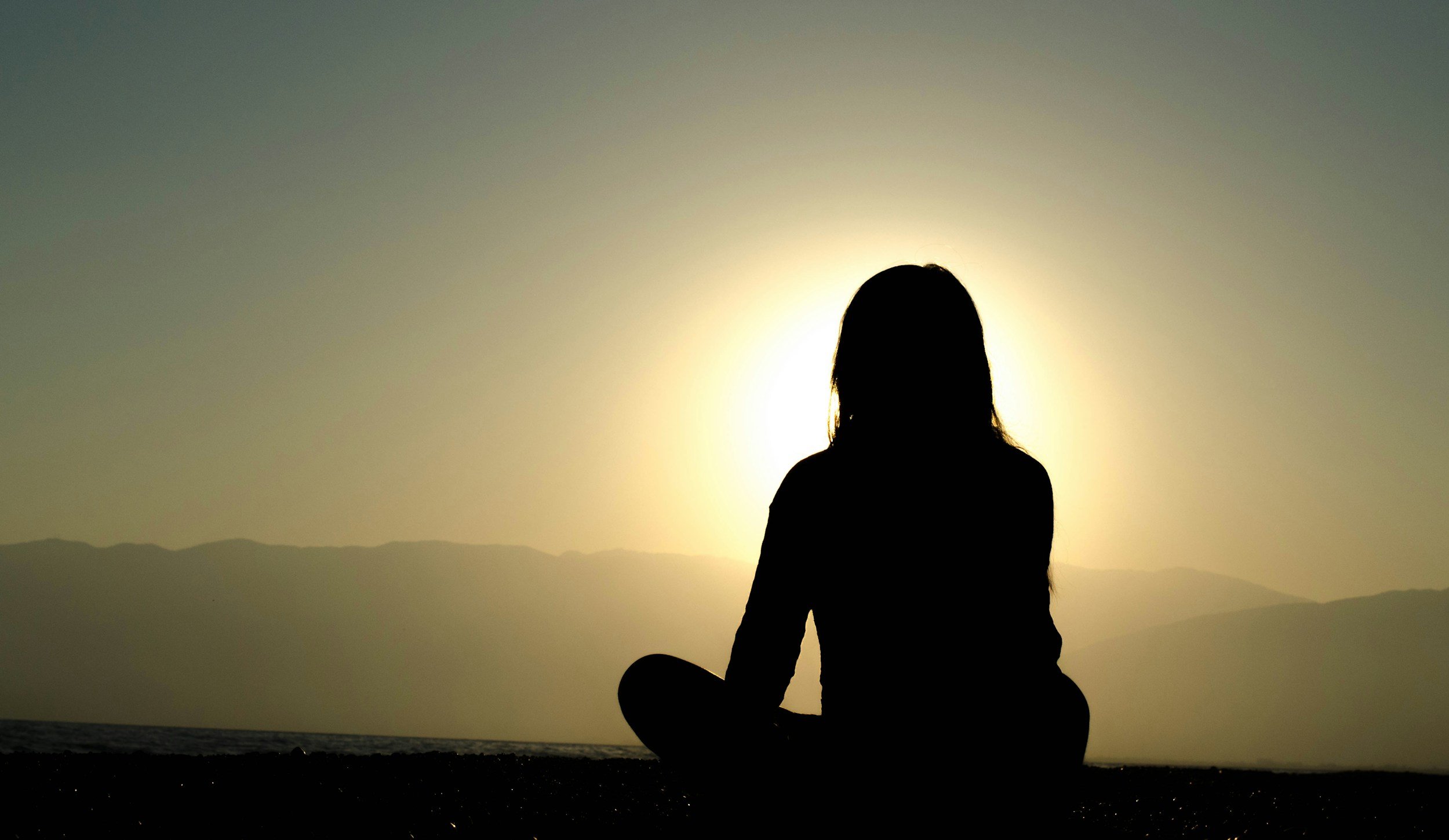
Find a comfortable place to sit and bring your attention to your breathing or physical sensations. When thoughts arise, acknowledge them and gently return your attention to the present rather than trying to make your mind completely blank.
7. Mindful Listening
Take a moment to focus on the sounds around you. Mindful listening can give your attention somewhere to settle when your thoughts feel particularly busy.
There is no single mindfulness technique that works best for everyone. Try different mindfulness exercises for anxiety and stress and notice which ones feel most comfortable and useful for you. With practice, mindfulness can become one tool for managing stress and supporting your mental well-being.
Benefits of Mindfulness Exercises
Practicing mindfulness can help support your overall mental well-being and may be helpful for managing symptoms of some mental health concerns.
Anxiety
Mindfulness can help you notice anxious thoughts without immediately reacting to them, and redirect attention toward the present.
Depression
Mindfulness practices may help people become more aware of negative thought patterns and respond to them differently.
Obsessive-Compulsive Disorder (OCD)
Mindfulness may help some people practice observing intrusive thoughts without automatically engaging with them.
Attention-Deficit/Hyperactivity Disorder (ADHD)
Mindfulness exercises can help people practice noticing where their attention is and bringing it back to the present.
Mindfulness-Based Therapy for Stress and Anxiety
Mindfulness exercises can be helpful to practice on your own, but mindfulness can also be a part of therapy. Mindfulness-based therapy combines therapeutic support with techniques that help you become more aware of your thoughts and emotions.
Rather than trying to eliminate difficult thoughts, mindfulness-based approaches can help you notice them without automatically reacting to them. This can be helpful for people who experience anxiety, chronic stress, or repetitive thought patterns.
At Careful Counseling, we incorporate mindfulness-based therapy in Brookline and Back Bay, Boston, based on each client's individual needs and treatment goals. Mindfulness may be used alongside other evidence-based therapeutic approaches to help you develop skills you can continue using outside of sessions.
If mindfulness feels like an approach that could work for you, learn more about our Mindfulness-Based Therapy or contact Careful Counseling to get started.
Frequently Asked Questions
-
Mindfulness exercises for stress and anxiety can include mindful breathing, body scans, mindful walking, grounding exercises, and mindful observation. These techniques encourage you to bring your attention to the present moment rather than becoming caught up in worries or stressful thoughts.
-
Three simple mindfulness exercises are mindful breathing, a body scan, and mindful walking. Mindful breathing focuses your attention on each breath, while a body scan involves noticing physical sensations throughout your body. Mindful walking brings your attention to your movement and surroundings.
-
You can practice mindfulness by intentionally paying attention to what you are experiencing in the present moment. You might focus on your breathing, notice physical sensations, or observe your surroundings. If your mind wanders, gently redirect your attention to what you are doing.
-
Mindfulness may help with anxiety by teaching you to notice anxious thoughts without immediately reacting to them. Regular mindfulness practice can also help redirect your attention toward the present moment when worry becomes overwhelming.
-
Mindfulness can be a helpful tool for managing stress. Mindfulness exercises encourage you to slow down, notice how you are feeling, and bring your attention away from stressful thoughts and back to the present moment.
-
The 5-4-3-2-1 technique is a grounding exercise that uses your five senses to reconnect with your surroundings. Identify five things you can see, four you can feel, three you can hear, two you can smell, and one you can taste. Although commonly associated with mindfulness, it is more specifically considered a grounding technique.
-
There is no required amount of time for practicing mindfulness. Even a few minutes can give you an opportunity to slow down and reconnect with the present moment. You can gradually explore longer exercises as mindfulness becomes more familiar.
-
Yes. Mindfulness techniques can be incorporated into therapy to help individuals become more aware of their thoughts, emotions, and physical sensations. Mindfulness may be used alongside other therapeutic approaches depending on your symptoms and treatment goals.
-
Careful Counseling offers mindfulness-based therapy in Brookline and Back Bay, Boston, as well as virtual therapy throughout Massachusetts. Treatment is personalized based on your symptoms, experiences, and individual goals.
