

What Is Exposure Therapy and How Does It Work?
Many people naturally avoid things that make them feel anxious, uncomfortable, or afraid. While avoidance may provide temporary relief, it often strengthens fear over time and can make anxiety harder to manage.
Exposure therapy is an evidence-based treatment that helps people gradually face their feared situations, thoughts, memories, or sensations. By approaching fears in a safe and regulated environment, you can learn that anxiety is manageable and that feared outcomes are often less likely or overwhelming than they seem.
Exposure therapy is commonly used to treat anxiety disorders, OCD, phobias, PTSD, and other anxiety-related concerns. Commonly treated fears can include social anxiety and emetophobia. Exposure therapy is often incorporated into Cognitive Behavioral Therapy (CBT) and is considered one of the most effective treatments for reducing anxiety and avoidance.
In this article, we’ll explore:
What Is Exposure Therapy?
Exposure therapy is a type of psychotherapy that helps people gradually face fears, anxieties, and situations. It’s considered one of the most effective treatments for anxiety disorders, phobias, obsessive-compulsive disorder (OCD), and other anxiety-related concerns.
The goal of exposure therapy is not to eliminate anxiety completely, but instead to help people learn that their anxiety is manageable and their feared situations are often less dangerous than they seem. Repeated exposure over time can reduce fear and increase confidence.
Research shows that exposure therapy can be highly effective for treating anxiety disorders. The American Psychological Association found that exposure therapy can be a key component for treatment of PTSD. Many other studies have found it to be one of the most effective treatment methods for phobias, panic disorder, OCD, and other anxiety-related conditions.
Exposure is individualized and structured. Your therapist will collaborate with you to create a plan that feels manageable and supports gradual progress.
What Conditions Can Exposure Therapy Help Treat?
Exposure therapy is used to treat a range of anxiety disorders and related concerns, including:
Specific phobias
Emetophobia (fear of vomiting)
Treatment tailored to your goals and comfort levels can be highly effective in reducing anxiety and supporting your goals. If you’re unsure where to start, Careful Counseling can provide a treatment plan that is supportive. Learn more with a free consultation.
Types of Exposure Therapy
There are several different types of exposure therapy. Understanding each one can help clarify what may be most helpful for your individual concerns.
Common types of exposure therapy include:
In Vivo Exposure
This involves real-life, direct confrontation with the feared situation or object. It can be used to treat specific phobias, social anxiety, OCD, and panic disorder.
Imaginal Exposure
Imaginal exposure involves vividly imagining a feared situation, memory, or outcome in a safe and structured way. This can help treat PTSD, anxiety disorders, and fears that cannot be easily recreated in real life.
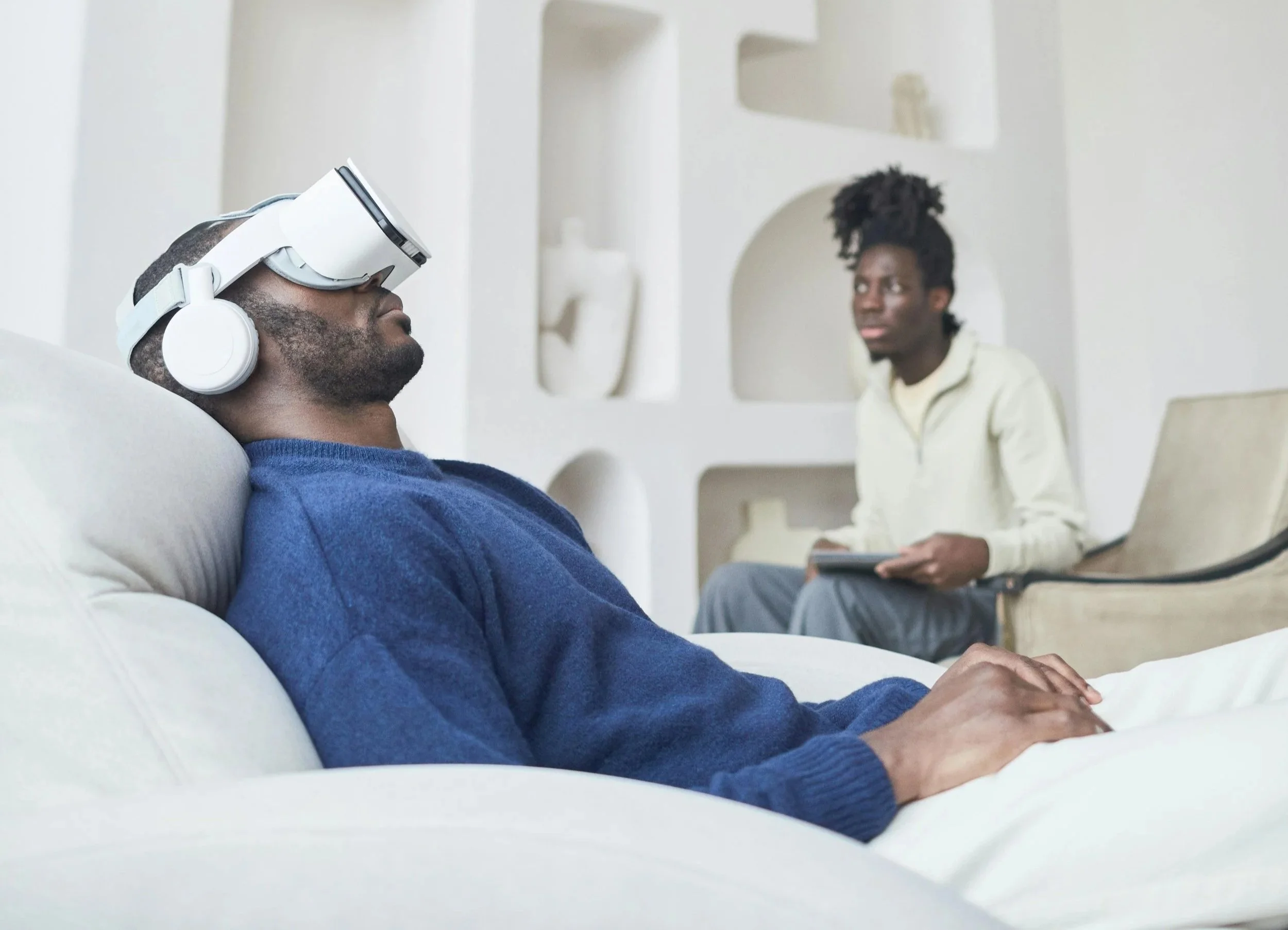
Virtual Reality Exposure Therapy (VRET)
Virtual reality exposure uses technology to stimulate anxiety-provoking situations, such as flying, public speaking, or heights. VRET can be effective for treating phobias, social anxiety, and other anxiety disorders. Learn more about VRET services at Careful Counseling here.
Interoceptive Exposure
Interoceptive exposure involves intentionally feeling sensations that are related with anxiety, such as dizziness or racing heart. This can be helpful in treating panic disorder and panic attacks.
Exposure and Response Prevention (ERP)
ERP is typically used to treat OCD by allowing individuals to gradually face their obsessive fears while resisting the urge to engage in compulsive behaviors. Learn more about symptoms and treatment for OCD here.
Prolonged Exposure (PE)
PE is specifically helpful for treating PTSD. Individuals can process traumatic experiences and reduce distress through imaginal and real-world exposure to triggers.
Is Exposure Therapy Effective?
Yes, exposure therapy is a highly effective treatment that is backed by scientific research. Exposure therapy is widely used to treat phobias, OCD, social anxiety disorder, panic disorder, PTSD, and other anxiety-related concerns. The success rate is roughly 60 to 90% for reducing fear and breaking the cycle of avoidance. Exposure therapy can effectively break the pattern of short-term avoidance and long-term fear through:
Habituation: The body’s physical panic response naturally decreases over time with exposure.
Inhibitory learning: Rather than eliminating the fear, you learn positive associations to replace old anxious reactions.
Building tolerance: Ultimately, you can build psychological resilience so you can regain control of your life.
It’s important to note that success can depend heavily on a patient completing the full course of therapy. Exposure therapy can be scary as you confront stressful triggers, however, the guidance of a trained therapist will ensure that your treatment plan is structured appropriately. Our team of specialized clinicians at Careful Counseling can help create a plan tailored to your goals.
What to Expect During Exposure Therapy
Exposure therapy is a collaborative process where clients work with a therapist to start with mildly anxiety-provoking scenarios, progressing to more challenging ones.
What to Expect in Sessions:
Initial Assessment: Your therapist will identify specific fears and create a hierarchy from least to most anxiety-inducing.
Gradual Exposure: You will start with small, manageable steps to build confidence. You will not be forced to face anything that you are not immediately comfortable with.
Safe Environment: Therapy will take place in a secure, safe, and controlled environment.
Physical and Emotional Discomfort: You can expect to feel anxious or uncomfortable during treatment, but this is an important part of the process and indicates progress.
Mindfulness Techniques: Your therapist will teach you relaxation techniques to manage distress, such as deep breathing. Learn more about mindfulness-based therapy here.
Habituation: Repeated exposure over sessions will help decrease the fear response over time.
Get Started with Exposure Therapy
Exposure therapy can help you regain control of your day-to-day life and wellbeing. Fear should not interfere with your daily functioning, and exposure therapy can help you break free from patterns of fear and avoidance.
At Careful Counseling, our clinicians provide evidence-based treatment, including exposure-based approaches, for anxiety disorders and related concerns. We offer both in-person therapy in Brookline, MA and virtual therapy throughout Massachusetts.
Contact us today to schedule a consultation and learn whether exposure therapy may be right for you.
Frequently Asked Questions
-
Exposure therapy is an evidence-based treatment that helps people gradually face fears, anxiety triggers, or situations they have been avoiding. It is commonly used to treat anxiety disorders, OCD, PTSD, panic disorder, and specific phobias.
-
An example of exposure therapy for social anxiety might involve gradually practicing conversations with unfamiliar people. For someone with a fear of driving, exposure therapy may begin with sitting in a parked car before progressing to short drives and eventually more challenging routes.
-
Exposure therapy is commonly used to treat anxiety disorders, OCD, panic disorder, social anxiety, PTSD, specific phobias, and emetophobia (fear of vomiting).
-
Yes. Research has consistently shown that exposure therapy is one of the most effective treatments for anxiety disorders and related conditions. It can help reduce fear, decrease avoidance behaviors, and improve daily functioning.
-
Yes. A specialized form of exposure therapy called Exposure and Response Prevention (ERP) is considered one of the most effective treatments for OCD. ERP helps individuals face obsessive fears while resisting compulsive behaviors.
-
Yes. Exposure therapy can help people gradually face social situations they fear or avoid, reducing anxiety and building confidence over time.
-
While some people practice self-guided exposure techniques, working with a trained therapist is often recommended. A therapist can help ensure exposures are safe, gradual, and tailored to your specific goals and symptoms.
-
Exposure therapy is not appropriate for every situation and should be tailored to each individual's needs. A licensed mental health professional can determine whether exposure therapy is the right approach based on your symptoms, medical history, and treatment goals.
-
The length of exposure therapy varies depending on the condition being treated, the severity of symptoms, and individual treatment goals. Some people notice improvement within a few months, while others may benefit from longer-term treatment.
-
If you're looking for exposure therapy in Brookline, MA, Careful Counseling offers evidence-based treatment for anxiety disorders, OCD, phobias, panic disorder, and related concerns. Virtual therapy is also available throughout Massachusetts.
