

Why Is Anxiety Worse at Night?
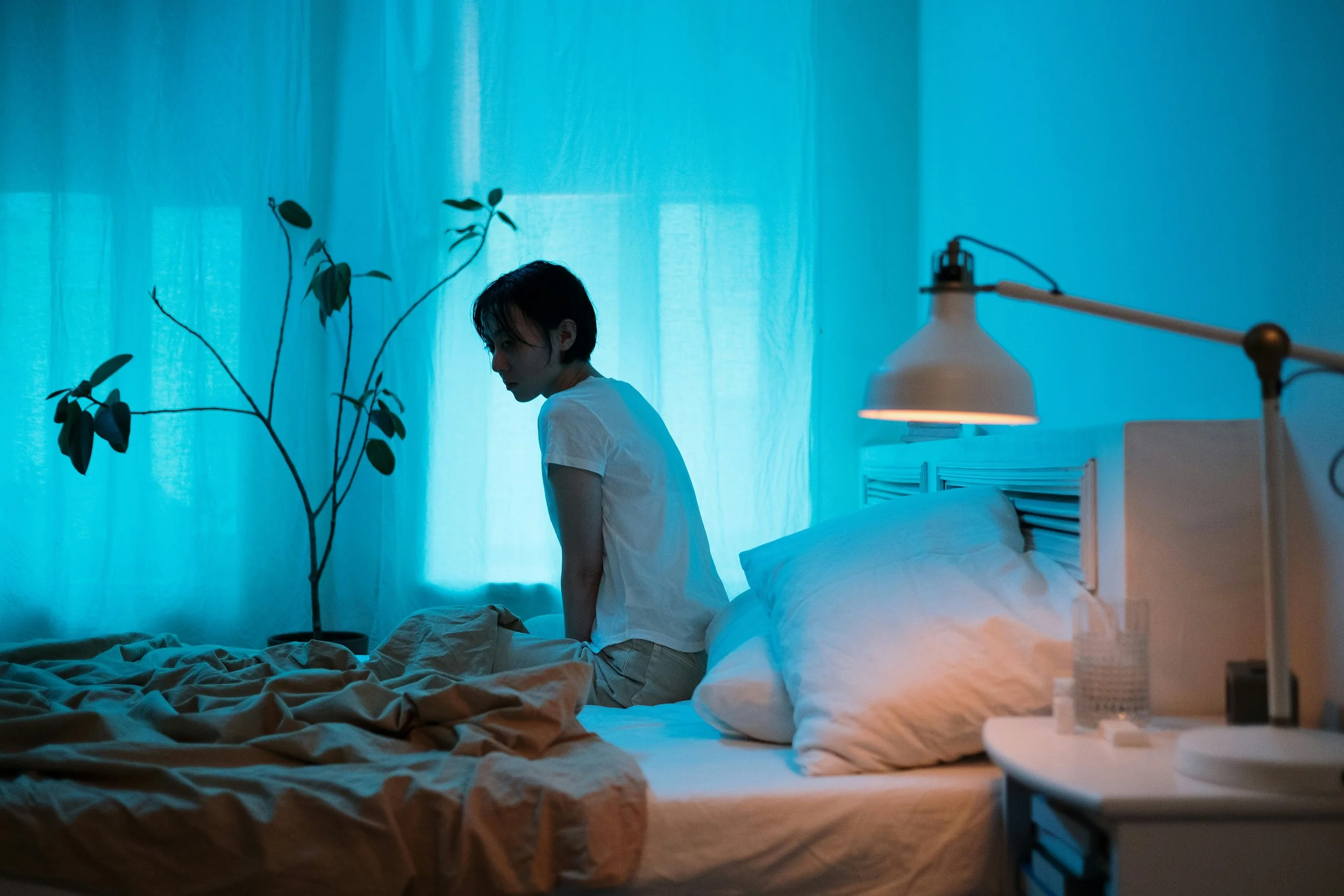
You may notice that anxiety feels more manageable during the day, but once night comes, your thoughts become louder, your body feels more tense, and it becomes harder to relax. If you’re wondering why your anxiety is worse at night, you’re not alone.
For many people, night anxiety can feel like restlessness, racing thoughts, and difficulty falling asleep. During the day, your brain is occupied with work, conversations, screen time, and everyday responsibilities. Without these distractions, your mind may wander to worries, overthinking, and unresolved stress. Physical factors such as fatigue can also make anxiety feel more intense at night.
While nighttime anxiety can feel overwhelming, it’s very common. Approximately two-thirds (68%) of adults report disrupted sleep due to anxiety. Roughly 36% of people experiencing sleep difficulties also have an anxiety disorder. In this article, we’ll explore why anxiety can feel worse at night, common symptoms of night anxiety, and practical strategies to help you feel calmer and in control.
Learn more here about how our team of licensed professionals provides tailored care for anxiety, sleep, and other concerts.
In this article:
Why Is Anxiety Worse at Night?
There are different reasons why anxiety can feel worse at night. While everyone’s experience is different, a combination of mental, physical, and environmental factors can make nighttime anxiety feel more intense.
Some common factors include:
Fewer Distractions During the Evening
During the day, work, school, relationships, and daily responsibilities keep your mind busy. At night, things quiet down and there are fewer distractions. This makes it easier for worries and racing thoughts to surface and cause anxiety.
Mental and Physical Fatigue
At the end of the day, your body and mind are more tired. This makes it harder to regulate emotions and manage stress, causing anxiety symptoms to feel stronger than they might earlier.
Overthinking and Rumination
Nighttime creates space for reflection, replaying scenarios and worrying about past or future events are extremely common. This can create a state of mental alertness which can make it harder to relax.
Changes in Hormones
Your body naturally raises cortisol levels in the morning, and decreases them as the day ends. For people experiencing anxiety, cortisol levels may remain high at night, increasing restlessness and worry.
Sleep-Related Stress
If you’ve had trouble sleeping in the past, bedtime itself can become a source of stress. Worrying about whether you’ll fall asleep can create a cycle where anxiety and sleep difficulties reinforce each other.
Common Symptoms of Night Anxiety
Night anxiety can show up in both the body and mind, especially when you’re trying to relax. Many people notice a pattern of symptoms that are more intense in the evening.
You may experience:
Racing thoughts
Overthinking about past or future events
Difficulty falling asleep or staying asleep
Restlessness
A sense of worry, dread, or unease
Racing heart or chest tightness
Muscle tension
Shaking or trembling
There can be behavioral symptoms of night anxiety as well, such as avoiding the bedroom, scrolling on a phone to avoid thinking, or waking up frequently. If these symptoms are familiar, you’re not alone.
Anxiety at night is common, and there are ways to manage symptoms and create a calming routine. Explore 7 Tips for a Better Sleep Routine to get you started.
How to Calm Nighttime Anxiety
Establishing a relaxing bedtime routine can help calm nighttime anxiety. The goal is not to eliminate anxious thoughts all at once, but to create a sense of safety and relaxation.
1. Slow, Deep Breathing
Deep breathing helps regulate your nervous system and reduce physical symptoms of anxiety. Techniques such as Box Breathing (Inhale for 4, hold for 4, exhale for 4, and hold for 4 seconds) can help calm your nervous system.
2. Use Grounding Techniques
When your mind starts to race, grounding techniques can bring you out of your thoughts and into the present moment.
3. Journaling
Writing down worries, racing thoughts, reassuring affirmations, or tasks for the next day can help get them out of your head and help you understand what is causing you anxiety over time.
4. Meditation
Listening to a calm, guided meditation can help redirect your thoughts and reduce both physical and mental symptoms of anxiety.
5. Limit Stimulation Before Bed
Reducing caffeine, screen time, and overstimulation in the evening can help lower anxiety overall at night. Low stimulation activities like taking a warm bath, light stretching, and reading can help lower cortisol levels.
6. Gently Redirect Anxious Thoughts
Instead of trying to force anxious thoughts away, try acknowledging them and gently redirecting your attention. Techniques from Cognitive Behavioral Therapy (CBT) can help reframe anxious thinking. Our team of licensed professionals at Careful Counseling can help you get started with tools to effectively reduce nighttime anxiety.
7. Get Out of Bed if You Can’t Sleep
If you are still lying awake after 20 minutes, it can help to get out of bed, go to another room, and do a calming activity (like reading) until you feel sleepy again.
While these strategies are helpful in the moment, persistent and intense anxiety at night may benefit from additional professional support. Nighttime anxiety may signal an underlying anxiety disorder. Learn more about anxiety disorder types and treatments here.
When to Seek Support
Occasional anxiety at night is common, especially during periods of stress or change. However, if your symptoms are becoming more frequent, difficult to manage on your own, or are interfering with your daily life, it can be helpful to seek additional support.
You may consider reaching out if you notice:
Persistent night anxiety that makes it hard to fall or stay asleep
Racing thoughts or overthinking that feel difficult to control
Anxiety that is affecting your energy, focus, or mood during the day
Avoiding bedtime or feeling anxious about going to sleep
Symptoms that continue despite trying self-help strategies
If these feel familiar, you’re not alone, and support is available. At Careful Counseling, we offer evidence-based therapy to help individuals manage anxiety and improve sleep. Whether you’re experiencing occasional stress or more persistent symptoms, reaching out can be an important step toward feeling calmer and in control.
We offer in-person counseling in Brookline, MA, and virtual services across Massachusetts. Get started today with a free consultation.
Frequently Asked Questions
-
Anxiety at night often becomes more noticeable when there are fewer distractions and more time to think. Mental fatigue, stress from the day, and increased overthinking or racing thoughts can all contribute to anxiety feeling worse in the evening.
-
To manage severe anxiety at night, strategies like slow breathing, grounding techniques, and reducing stimulation before bed can help calm the nervous system. For ongoing or intense symptoms, therapy for anxiety can provide long-term tools and support.
-
To calm anxiety at night naturally, try creating a consistent bedtime routine, limiting screen time, practicing deep breathing, and using grounding techniques. Small changes in your evening habits can help reduce night anxiety over time.
-
Waking up with anxiety in the middle of the night can be linked to stress, disrupted sleep cycles, or heightened nervous system activity. When the body is already on edge, even small awakenings can trigger anxious thoughts or physical symptoms.
-
Common sleep anxiety symptoms include racing thoughts, difficulty falling or staying asleep, restlessness, muscle tension, and a racing heart. Many people also feel tired but unable to relax or “shut off” their mind.
-
One of the most effective treatments for sleep anxiety is Cognitive Behavioral Therapy (CBT), which helps individuals identify and change unhelpful thought patterns that contribute to anxiety and sleep difficulties. CBT can also improve long-term sleep habits.
-
The 3-3-3 rule for anxiety is a grounding technique that helps bring your focus back to the present moment. It involves naming three things you can see, three things you can hear, and moving three parts of your body. This can help calm anxious thoughts in the moment.
-
Feeling tired but unable to sleep is often linked to anxiety at night, where the body is physically fatigued but the mind remains active. Racing thoughts, stress, and heightened alertness can make it difficult to fully relax and fall asleep.
-
To stop anxious thoughts, it can be helpful to notice and challenge unhelpful thinking patterns rather than trying to suppress them. Approaches like Cognitive Behavioral Therapy (CBT) are especially effective in helping individuals manage and reframe anxious thoughts.
